India Achieves Criticality in Prototype Fast Breeder Reactor at Kalpakkam: A Major Nuclear Milestone
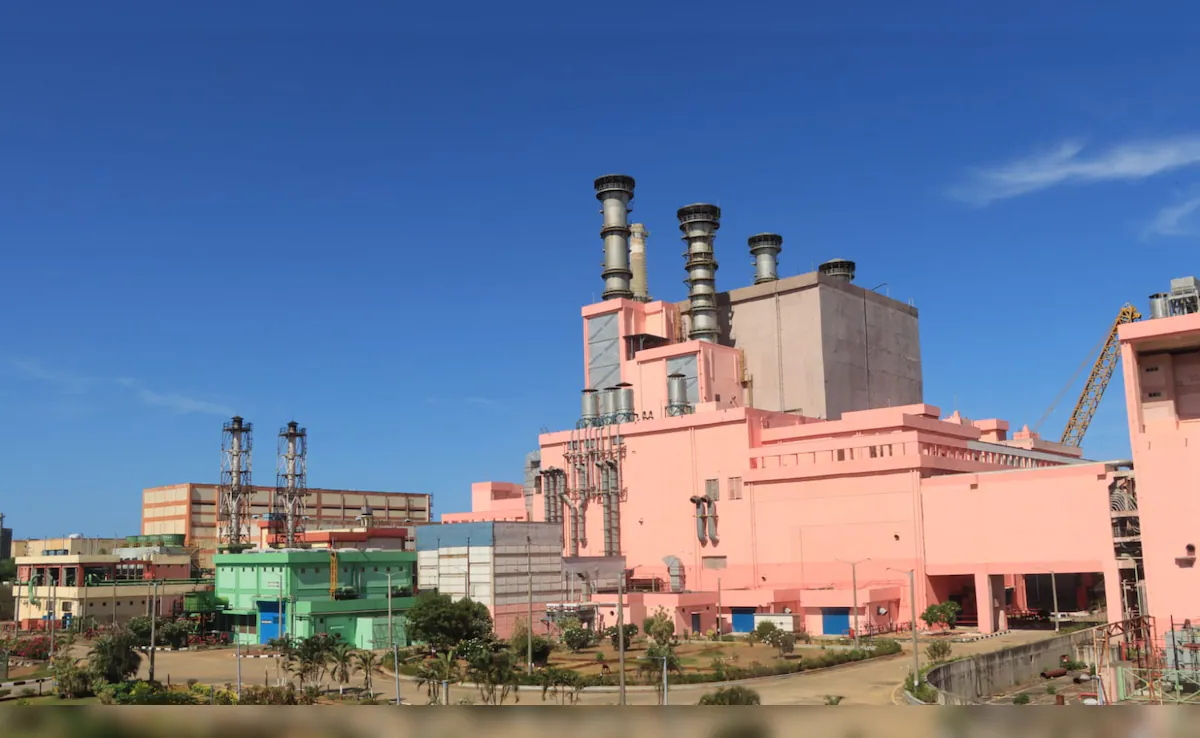
India has reached a landmark achievement in its civil nuclear energy program as the Prototype Fast Breeder Reactor (PFBR) at Kalpakkam, Tamil Nadu, successfully attained criticality. This milestone marks the beginning of a self-sustaining nuclear fission chain reaction, bringing the country closer to full-scale reactor operations.
What is Criticality in Nuclear Reactors?
Criticality is a crucial stage in nuclear reactor commissioning. It refers to the point where a reactor sustains a continuous nuclear fission reaction without external neutron sources.
This does not mean the reactor is fully operational or generating electricity at peak capacity, but it is one of the most important steps toward that goal.
PFBR at Kalpakkam: Key Highlights
- Capacity: 500 Megawatt Electric (MWe)
- Type: Sodium-cooled Fast Breeder Reactor
- Location: Kalpakkam, Tamil Nadu
- Developer & Operator: Bharatiya Nabhikiya Vidyut Nigam Limited (BHAVINI)
- Institution: Indira Gandhi Centre for Atomic Research (IGCAR)
- Development Time: Over 20 years
This reactor represents one of the most complex engineering achievements in India’s nuclear history.
A Defining Moment for India’s Nuclear Program
Prime Minister Narendra Modi described the achievement as a “defining step in India’s nuclear journey.” The PFBR’s success signifies progress into the second stage of India’s three-stage nuclear power program, originally envisioned by Dr. Homi Jehangir Bhabha.
According to officials, this advancement showcases:
- India’s scientific and engineering capabilities
- Progress toward energy self-reliance
- A pathway to utilize vast thorium reserves
How Fast Breeder Reactors Work
Fast breeder reactors differ significantly from conventional nuclear reactors:
- Use plutonium-based fuel instead of only uranium
- Convert Uranium-238 into Plutonium-239
- Generate more fuel than they consume
- Enable fuel recycling through reprocessing
Because of this unique capability, PFBR is often described as an “Akshay Patra” (inexhaustible source) of energy.
Importance in India’s Three-Stage Nuclear Program
India’s nuclear strategy consists of three stages:
Stage 1:
Pressurized Heavy Water Reactors (PHWRs) using natural uranium
Stage 2 (Current Stage):
Fast Breeder Reactors using plutonium from spent fuel
Stage 3 (Future):
Thorium-based reactors leveraging India’s vast thorium reserves
The PFBR plays a critical role in bridging Stage 1 and Stage 3, enabling long-term sustainable nuclear energy.
Global Significance of the PFBR
- Only a few countries have mastered fast breeder reactor technology
- Currently, Russia is the only country operating a commercial fast breeder reactor
- Many nations discontinued such programs due to:
- High costs
- Safety challenges
- Technological complexity
India’s success places it among an elite group of advanced nuclear nations.
Contribution to Clean Energy Goals
The PFBR milestone aligns with India’s broader energy and climate objectives:
- Target of 100 GW nuclear power capacity by 2047
- Commitment to net-zero emissions by 2070
- Reduced reliance on fossil fuels
- Improved energy security and sustainability
What Comes Next?
While achieving criticality is a major milestone, the PFBR will undergo further stages:
- Power escalation tests
- Safety validations
- Grid synchronization
- Full commercial operation
Once operational, it will serve as a model for future breeder reactors across India.
Conclusion
The successful attainment of criticality at the PFBR in Kalpakkam marks a historic leap in India’s nuclear energy journey. It not only demonstrates technological excellence but also strengthens the nation’s path toward clean, sustainable, and self-reliant energy.
This achievement sets the stage for India’s transition to thorium-based nuclear power, potentially unlocking one of the most abundant and underutilized energy resources in the world.